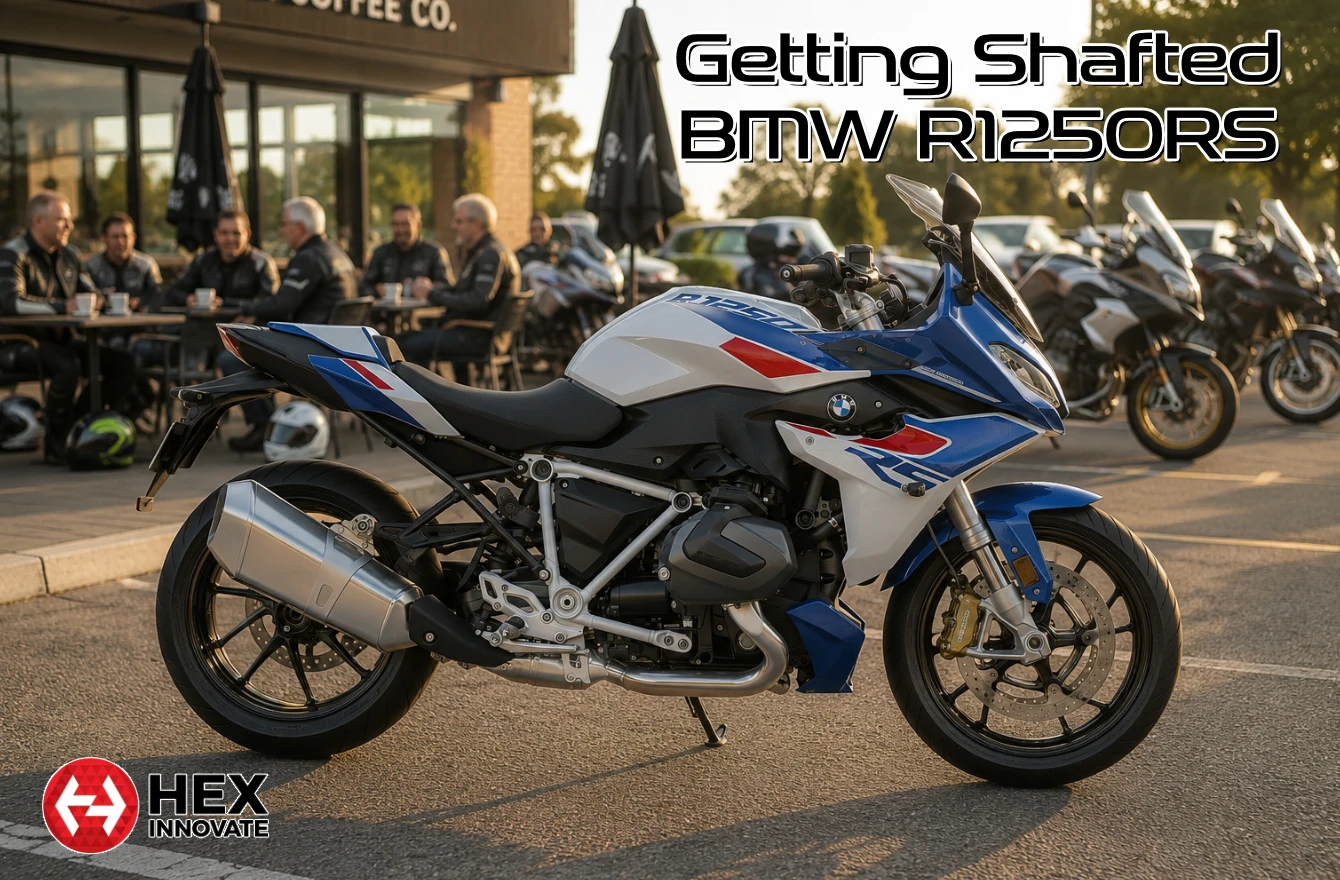
Tyre life. I thought tyres were designed, developed and then manufactured. That was it. Nice and straightforward, and when the new version came out, the old ones were no longer made. I never thought of tyres having a life cycle and going through generations. It turns out I was wrong [again].
Working out which version of a tyre you have isn’t always straightforward. First comes understanding the alphabet soup written on the side of the tyres. Then there are multiple tyre compounds, construction, and longevity to consider. To add to the confusion, there are also OE tyres and top-tier tyres that get superseded.
This is the point to put the kettle on, and let’s get into it.
Top Tier Tyres
Tyre technology is a fast-moving subject. Every manufacturer is constantly updating its product line to reflect tyre developments.
It is a fast-paced environment, and the commitment required to bring tyres to market is immense. Months of research and construction design go into each generation of a tyre, and that is before the thousands of miles of testing can even start.
The scale of testing and development is incredible and is constantly happening across a manufacturer’s range, all so they can get to the point of pressing GO on a large-scale production run. And when I say large, think in terms of millions of tyres.
The development process starts again almost as soon as the new top-tier tyre is introduced. But what happens to the investment that went into the previous generation of a tyre?
Tyre Life
When a new top-tier tyre is produced, it replaces the previous generation.

Inevitably there will be a cross-over period when both the latest generation and its full-specification predecessor are available. If you can find these tyres, they are often discounted as resellers look to replace their stock with the newer model.
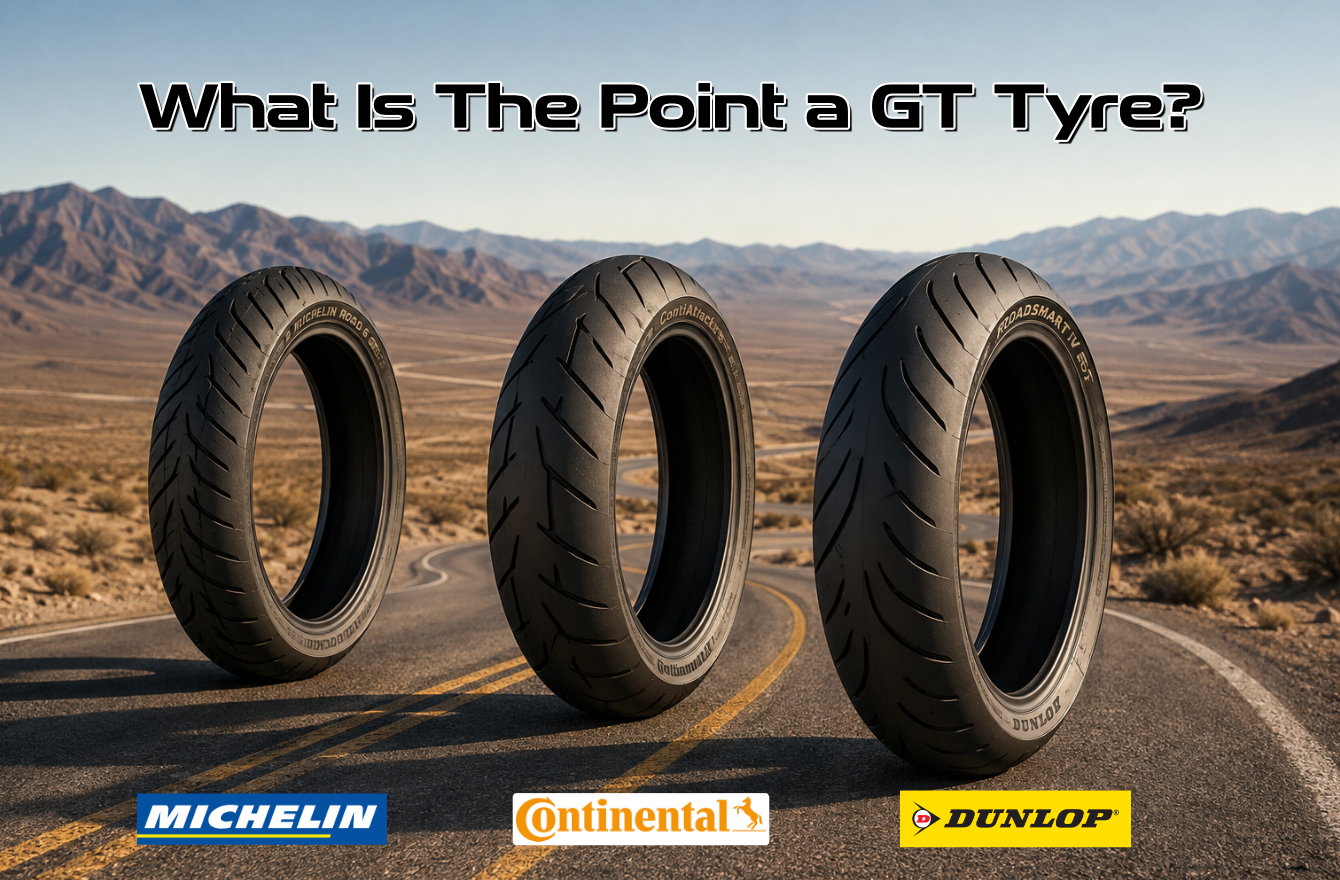
It is an excellent time to buy as the performance of the outgoing tyre will be the same. When the Dunlop RoadSmart V is produced, my (currently) top-tier Roadsmart IV will be just as good as they ever were.
Eventually, tyre stocks will rotate, and the final production run of the now-replaced top-tier tyre will be exhausted. So, what do tyre manufacturers do with the research and manufacturing investment?
Second Life
Looking at the tyre manufacturer’s websites, I can see tyres that were once top of the pile are still being manufactured but now cost noticeably less than they once did.
On a reseller’s website, this might be old stock they still haven’t shifted, but if the manufacturer is still listing the tyre, it must still be in production, and if the price is reduced, then there has to be a difference in the tyre. The previous generation didn’t suddenly cost less to produce.
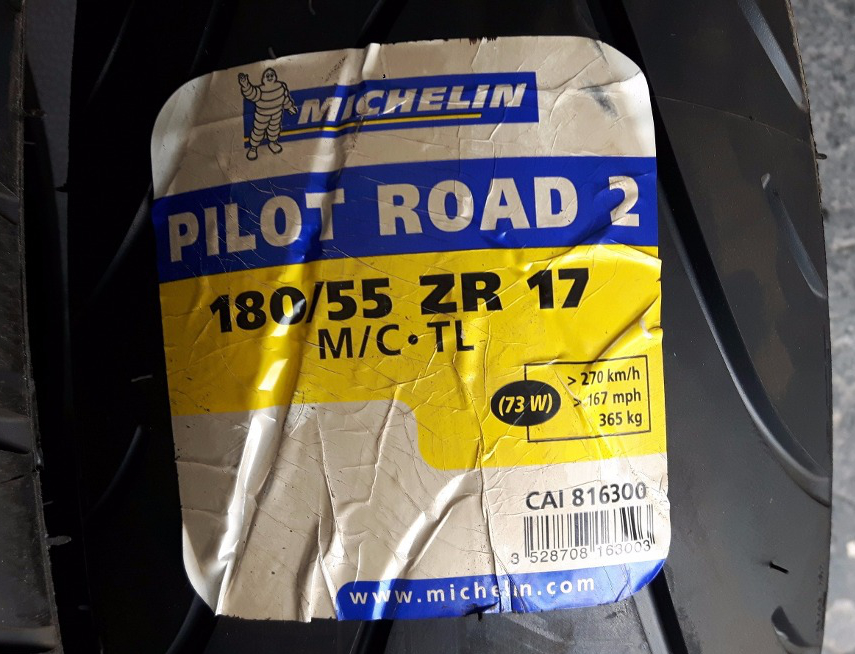
Digging deeper, what happens is that when the tyre at the top of the pile is replaced, there is a cascade through the manufacturers’ range. There is no point in producing the same high-quality Michelin Road Pilot 4, so it can compete for sales with the new Road Pilot 5. However, not everyone is looking for the latest and greatest in tyre development.
Manufacturers continue to produce the previous generation of tyres but make changes in the production process to deliver the tyres at a lower price.
In other words, the once top-tier tyre might look the same, but not be the same, following the release of the next generation version. To be sold for a lower price and not compete with its replacement, compound and construction changes will have been made.
That Explains It
It took me a while to get my head around this, but it explains the difference I experienced between two sets of Metzeler Tourance Next tyres.
The first set I had on my KTM was great. When the time came to replace them, the Tourance Next II had been hit by supply chain issues, so I bought a second set of Tourance Next tyres at a discounted price and did what I thought would be a like-for-like swap.
 The problem was that the second set was nothing like the originals, so I changed them for Dunlop TrailMax Meridians and have not looked back since.
I can understand why tyre manufacturers do this. The vast sums of money they invest in tyre development, married to the need to produce tyres at a range of prices, combine perfectly if you can tweak an existing manufacturing process and lower the cost of production.
My problem was that I didn’t know this happened. I’d bought a second set of Metzeler Tourance Next tyres, mistakenly assuming I was purchasing the same tyre with the same compound and construction process.
Let me be clear here: It was my mistake. I didn’t think it through and just patted myself on the back for grabbing what I thought was a set of new tyres at a “bargain” price.
OE – Original Equipment Tyres
Perhaps the best-known wrinkle on the tyre life cycle would be OE motorcycle tyres.
It isn’t true in every case, but you will most likely find OE tyres fitted to your brand-new motorcycle. Why do motorcycle tyre manufacturers do this … well … where do we start.
OE tyres are copies of the top tier tyre. Whereas with a tyre on its “second life”, you can appreciate it isn’t the latest and greatest, but with OE tyres, looks can be deceiving.
What happens is that a large motorcycle manufacturer calls an equally large tyre manufacturer and asks for a price for an astronomical number of tyres to be delivered over the life of the motorcycle’s production run.
The price quoted for the full-specification tyres will be too high, and the accountants get to work to hash out a deal.
To get the price down to a point where the accountants are happy, changes must be made, and that fancy new tri-compound super sticky tyre becomes a mono-compound tough-as-nails copy. It looks the same, and unless you know where to look on the tyre’s sidewall, there is no way to tell one from the other.
But Why Make Naff Tyres?
A big part of the problem is that not all brands are controlled globally.
 Goodyear owns Dunlop. Metzeler is owned by Pirelli. However, the license to produce tyres in a country is not the same as being the brand owner. It is a terrible parallel, but not every McDonald’s is owned by the McDonald Corporation. The license holder isn’t the same thing as the brand owner.
Somewhere in the licensing agreement, tyre companies appear to have left out the part that says, “you can’t make sub-optimal copies for large motorcycle manufacturers, no matter how sweet a deal it is”. So, we have OE tyres as we have had for thirty years or more.
If I’d known what I was looking for, the Nylon Never Grips on my Kawasaki GPZ1100 were most likely OE copies.
Sadly, I put a bend in the GPZ just before the Canning Town flyover one morning. It is something I’d like to forget, just like brand owners might want to forget about some of the OE tyre deals that have been done.
Bottom line
There is no such thing as a free lunch. If we want to benefit from the investment tyre companies make in developing their tyres, we need to buy the top-tier versions. If we want a bargain … well, there are plenty of options. Just don’t make the same mistake I made with the Metzelers.