
Winter is on its way, and there will soon be the usual slew of articles and videos on how to winterise your motorcycle.
Yet, despite all the fluids and coatings we can use to protect our bikes, a winter hack is still a popular solution.
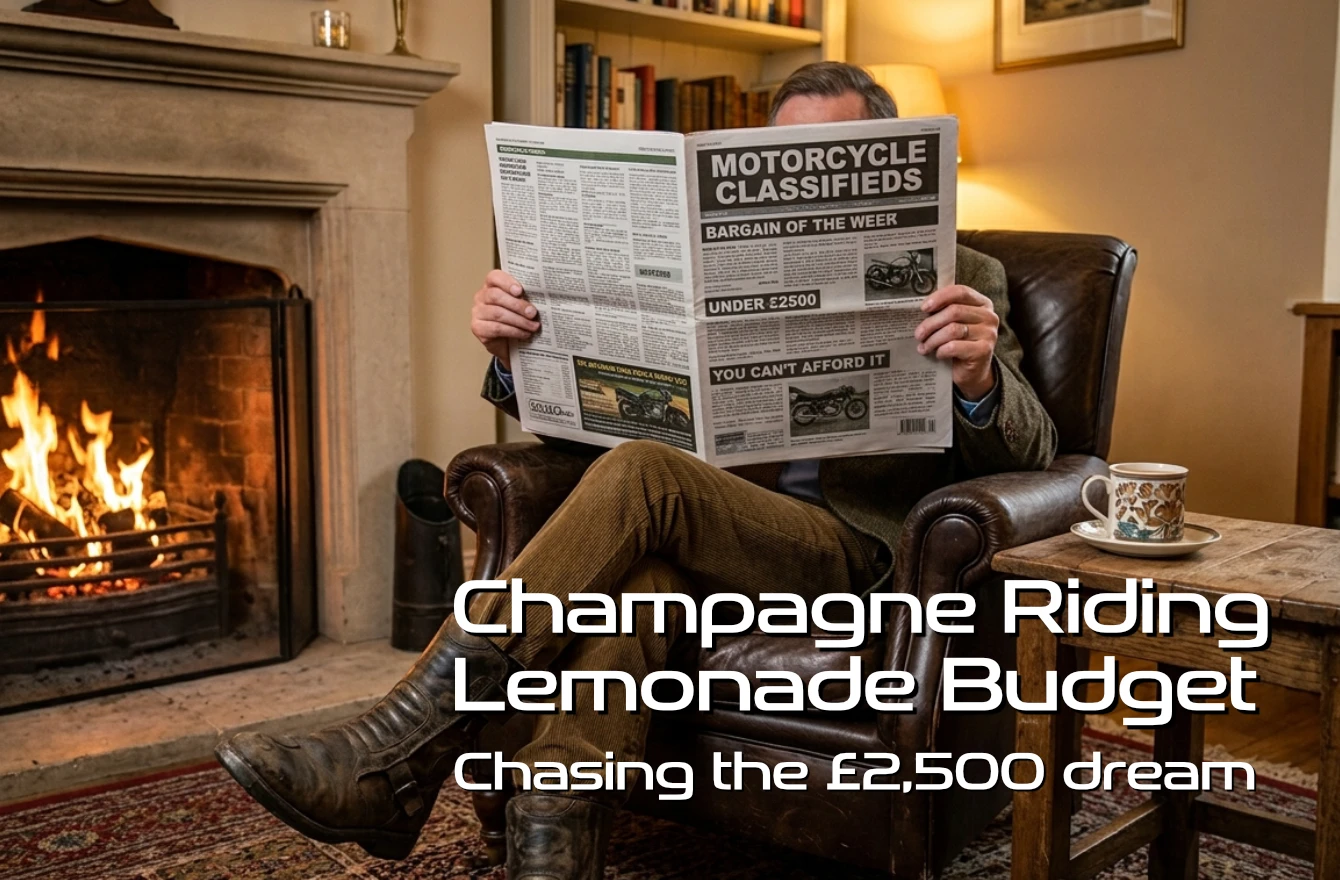
Armed with an all-up budget of £2,500, I started trawling the internet, but as usual I soon got diverted.
Have you seen what is available? These aren’t hacks to sacrifice to the ravages of winter. They are bloody good motorcycles, capable of inviting a magistrate to scribble all over your licence; capable of buggering off to Spain; capable of cracking through the traffic.
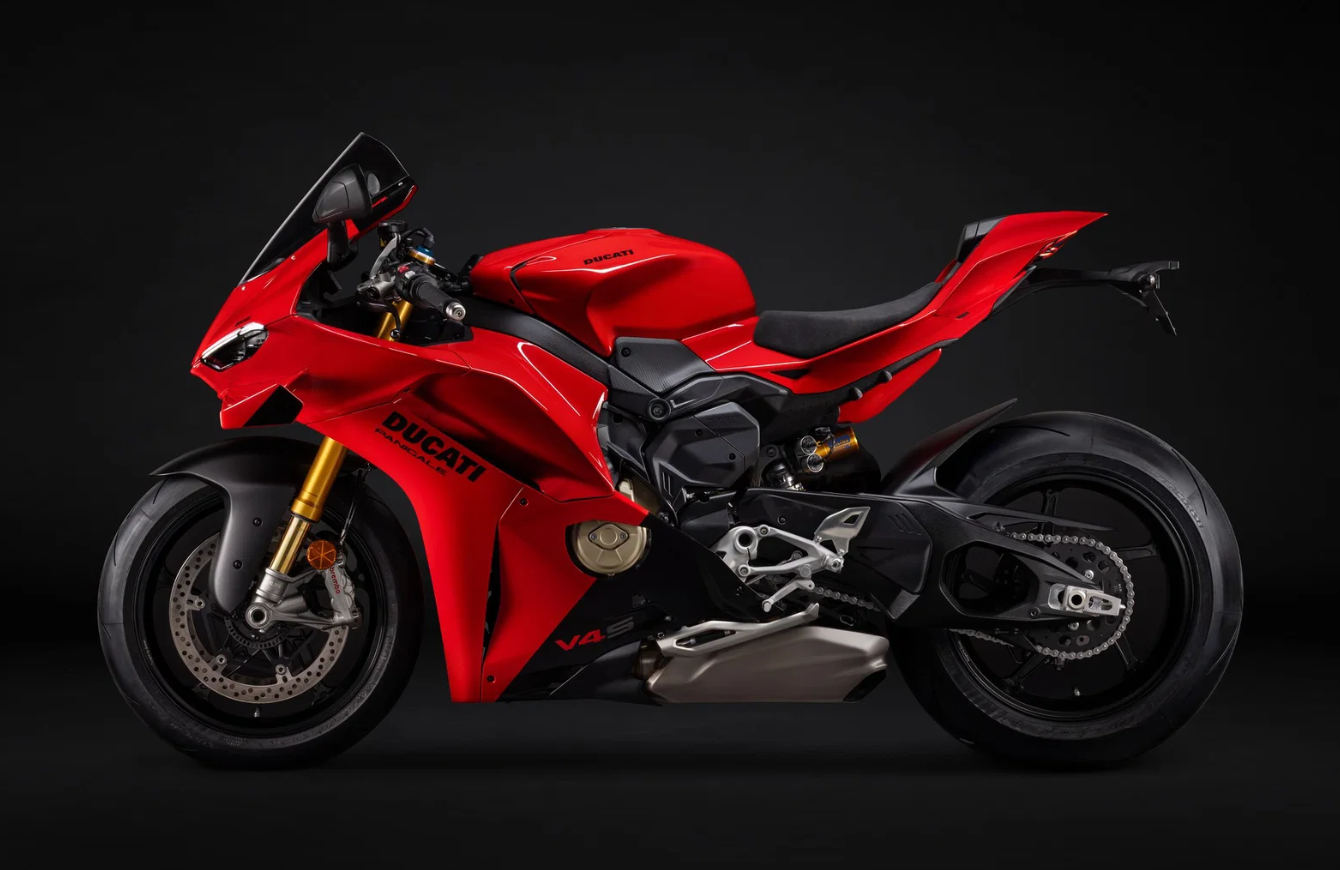
And having read that the latest version of the Ducati Panigale V4S produces 218 horsepower and costs somewhere north of £30K, I have to wonder if there isn’t something faintly ridiculous about the modern motorcycle arms race.
Don’t get me wrong: if I could afford one, I’d want one too… but thirty-plus grand. That is a lot of bananas.
Arms Race
Manufacturers are competing to fit more technology into machines that already have more computing power than the spacecraft that took us to the Moon.
Cornering ABS, traction control, riding modes, TFT displays, Bluetooth connectivity, adaptive cruise control. All very clever, no doubt.
But I have a question: when did getting on a motorcycle and riding it become a task requiring the processing power of a small data centre?
For less than £2,500, you can buy a perfectly capable, fuel-injected motorcycle with ABS, a proper engine and the ability to cover serious distances.
You won’t get all the electronic wizardry of a new machine, but you will get something rather appealing: a motorcycle that has already taken its biggest depreciation hit.
And if you choose carefully, you won’t necessarily sacrifice reliability or build quality.
The £2500 Dream
My must-haves were fuel injection and ABS, somewhere between 500 and 1000cc, all with an upper limit of £2,500 if it needed nothing. Subtract from that amount if it needed anything.
That ruled out some tempting bargains, but plenty of sensible options remain.
Here are the five I could buy today, and assuming you are reading this “today”, more than one example was available for each bike mentioned.
Honda CBF600S ABS: the sensible choice
Target price: £1,800–£2,500 | 599cc | Autotrader Search
Autotrader has advertised a 2009 Honda CBF600SA, with 32,000 miles, for £2,250. That’s precisely the sort of unglamorous, useful motorcycle that deserves more attention.
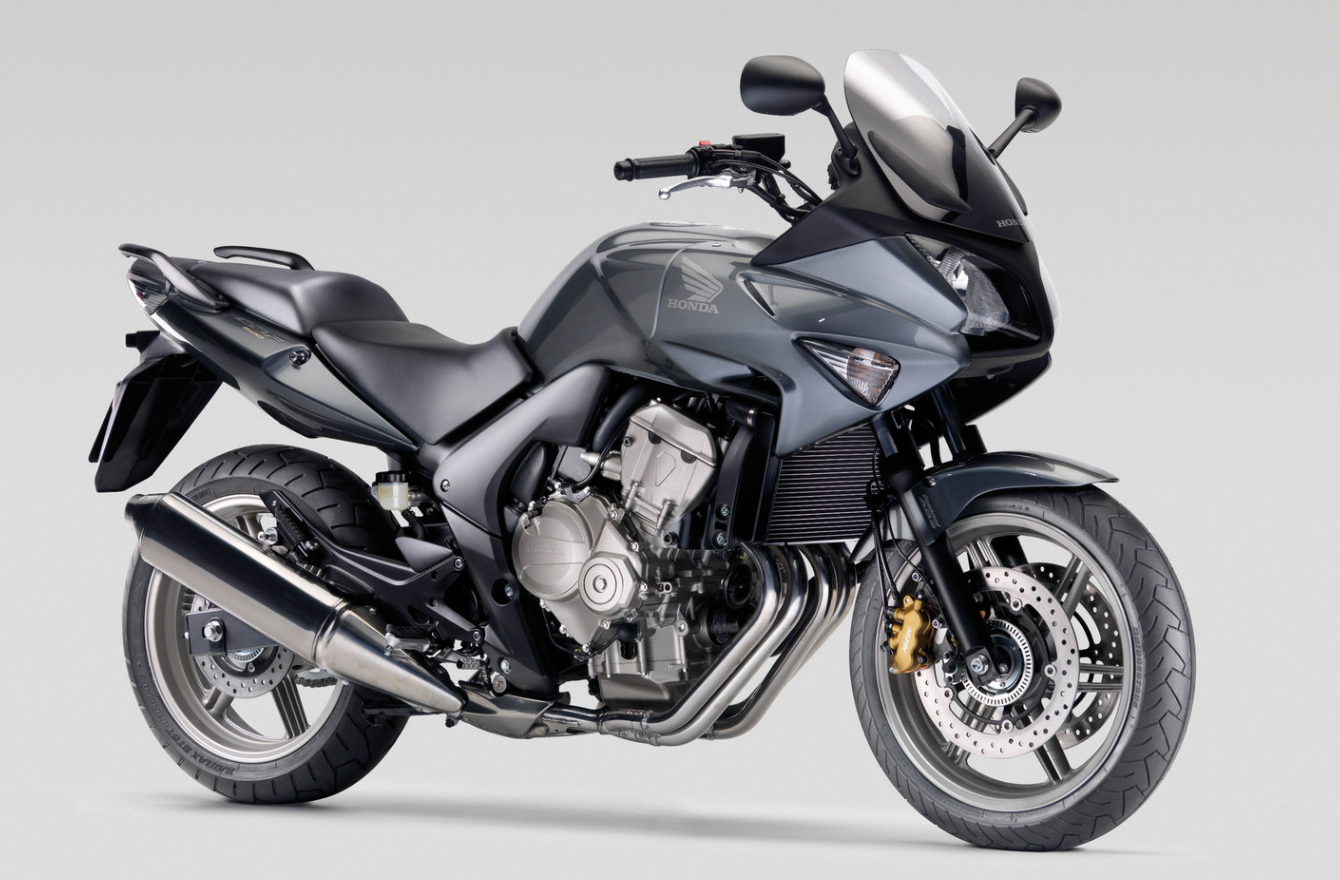
The CBF600 is a comfortable, middleweight four-cylinder machine that can commute during the week, tour at weekends and take a passenger without requiring a second mortgage. Its engine is smooth, its riding position sensible, and its half-fairing provides useful protection from the British weather.
It won’t set your hair on fire. Indeed, its relatively undramatic character is precisely the point. You’re buying transport that happens to be enjoyable, rather than a rolling demonstration of what the marketing department is telling us we need.
The CBF600 has a substantial record of UK road use. Analysis of DVSA MOT records puts its first-time pass rate at around 84–86%, depending on the dataset and period examined. That isn’t proof every engine is immortal, but it provides useful evidence these bikes keep earning their keep.
Check the brakes, suspension, steering-head bearings and charging system. On a bike of this age, condition and maintenance history matter more than whether the odometer starts with a one or a three.
Why buy one? Because it’s a proven all-rounder with ABS, injection and enough performance for virtually every sensible road-riding task.
Honda CBF1000: The Mile-Muncher
Target price: £2,000–£2,500 | 998cc | Autotrader Search
If your idea of motorcycling involves long distances, luggage and a passenger who would prefer not to arrive resembling a folded deckchair, the CBF1000 deserves a look.
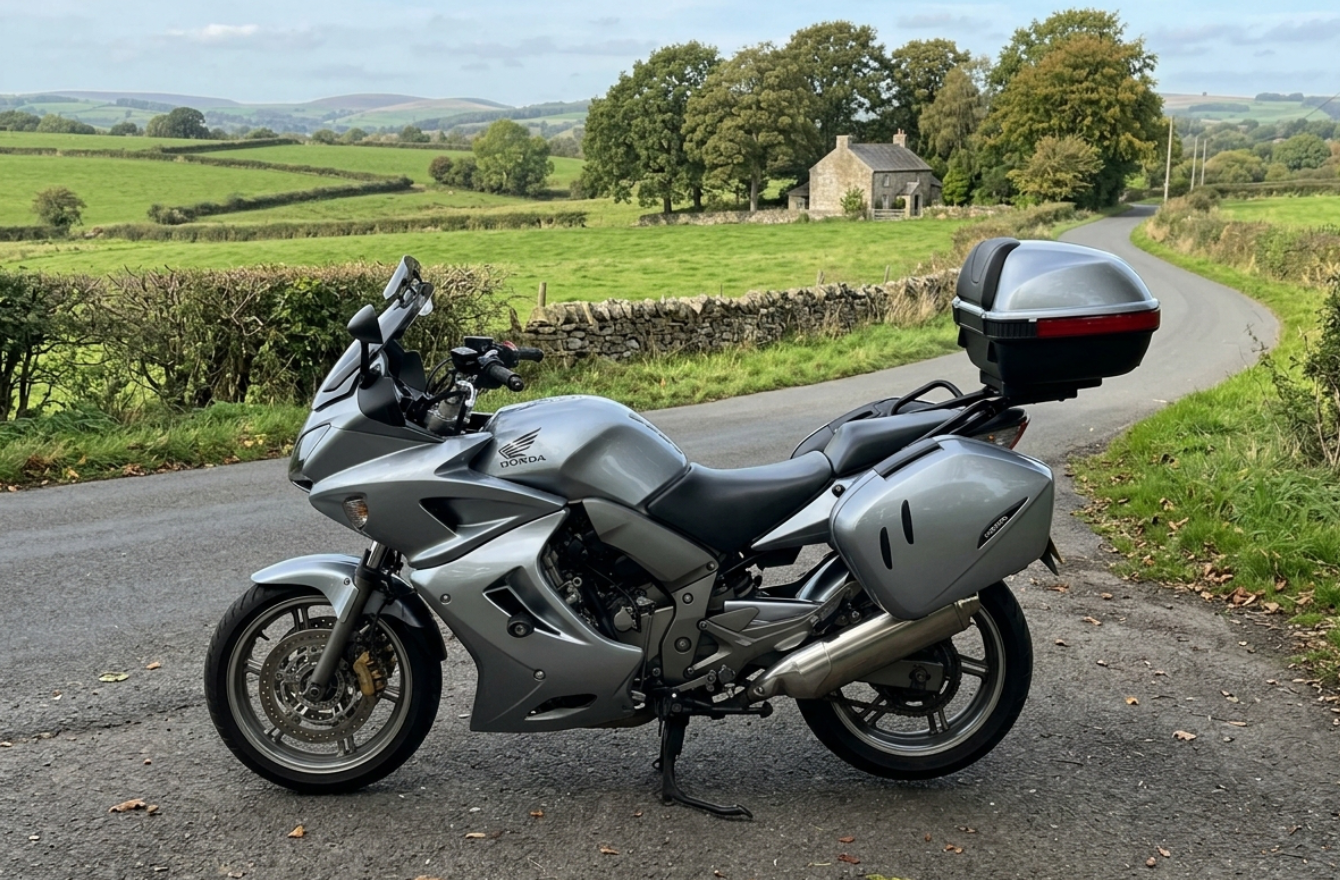
Autotrader currently lists 31 for sale, including one for sale by the owner with 37,000 miles and full luggage for £2,199 (Autotrader)
The 998cc four-cylinder engine offers considerably more effortless performance than the middleweight CBF600, without demanding that you ride everywhere as though qualifying for a race.
It is a particularly good example of how little you need to spend to get a serious touring motorcycle. The engine is flexible, the riding position is comfortable, and the fairing makes motorway miles less punishing.
You don’t get the sophistication of a modern electronic suspension system or a dozen riding modes. You do get an engine that can make rapid progress without constant gear changes.
Look for the ABS-equipped version, often identified by the relevant model designation, and check the exact specification rather than assuming every CBF1000 has ABS. Inspect the suspension, brakes, charging system and service records, and budget for age-related consumables.
Why buy one? It offers big-bike touring ability at used middleweight money. If you regularly cover hundreds of miles, it’s difficult to argue that you need to spend more.
Kawasaki ER-6f: Everyday Sports Tourer
Target price: £1,900–£2,500 | 649cc | Autotrader Search
The Kawasaki ER-6f is an appealing alternative for anyone who wants something more compact and lively than the Honda tourers.
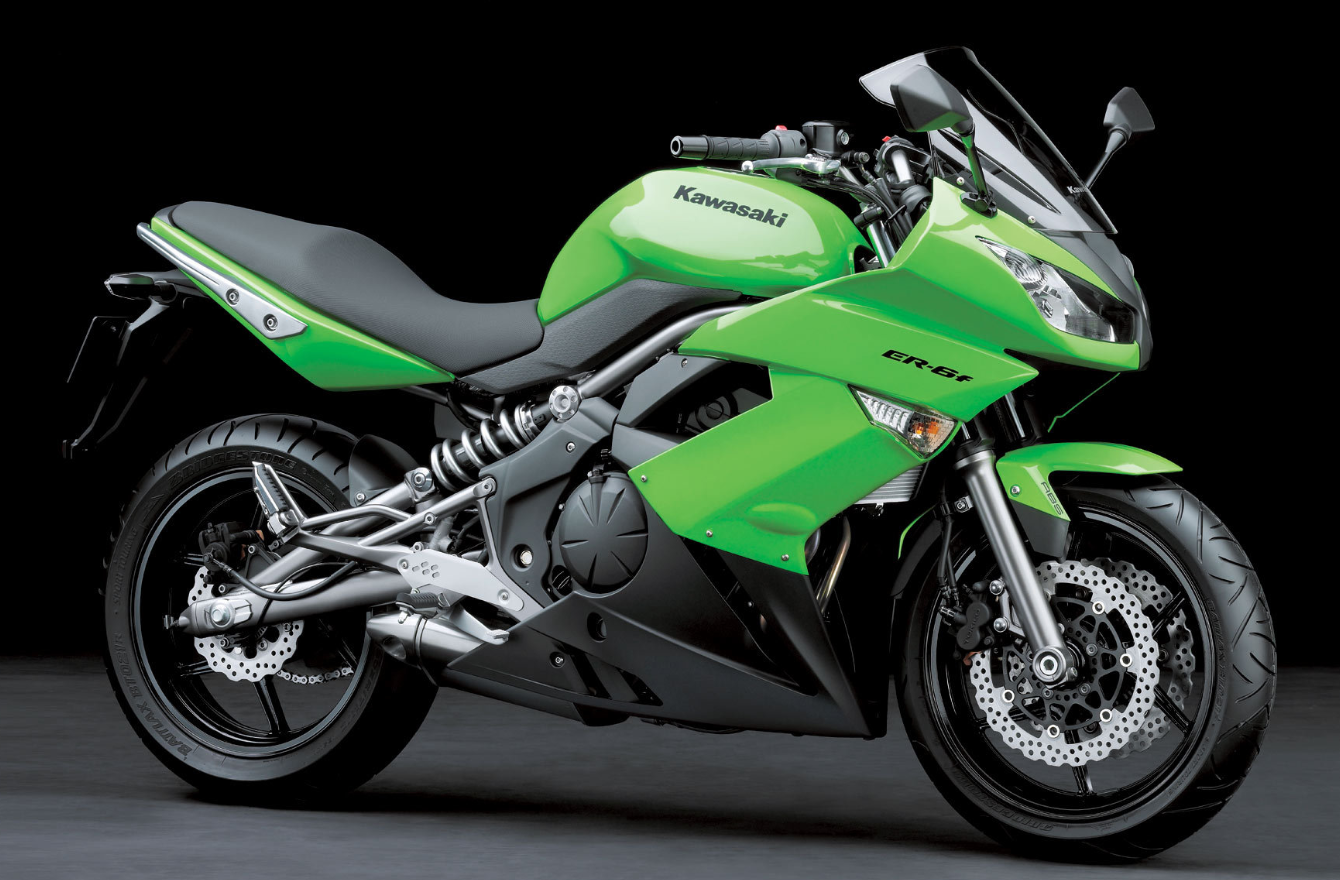
Autotrader has advertised a 2008 example at £1,995 and a 2009 machine at £2,295. The later-generation versions offer fuel injection, a parallel-twin engine and practical full fairing. Find the right ABS-equipped example, and you have a useful commuter that can also entertain on a twisty road.
The twin-cylinder engine delivers accessible mid-range performance without the revs that make every journey feel like a job interview with a racing team. It’s also relatively easy to live with, whether you’re threading through traffic or heading for the coast.
There are compromises. The engine isn’t as silky as a four-cylinder Honda, and the suspension and finish are not beyond criticism. On older examples, corrosion, tired suspension and evidence of neglect deserve careful attention.
The ER-6f also reminds you that the best motorcycle isn’t necessarily the one with the most impressive specification. A well-maintained, modestly priced machine that suits your riding is worth far more than an expensive bike that spends its life being admired in the garage.
Why buy one? It combines useful performance, manageable proportions and weather protection in a package that doesn’t cost a fortune.
Yamaha FZ6 Fazer ABS: Sporty All-Rounder
Target price: £2,000–£2,500 | 600cc | Autotrader Search
The Yamaha FZ6 Fazer offers a different flavour. Its four-cylinder engine has sporting ancestry, giving it a livelier top end than the more deliberately relaxed Hondas.
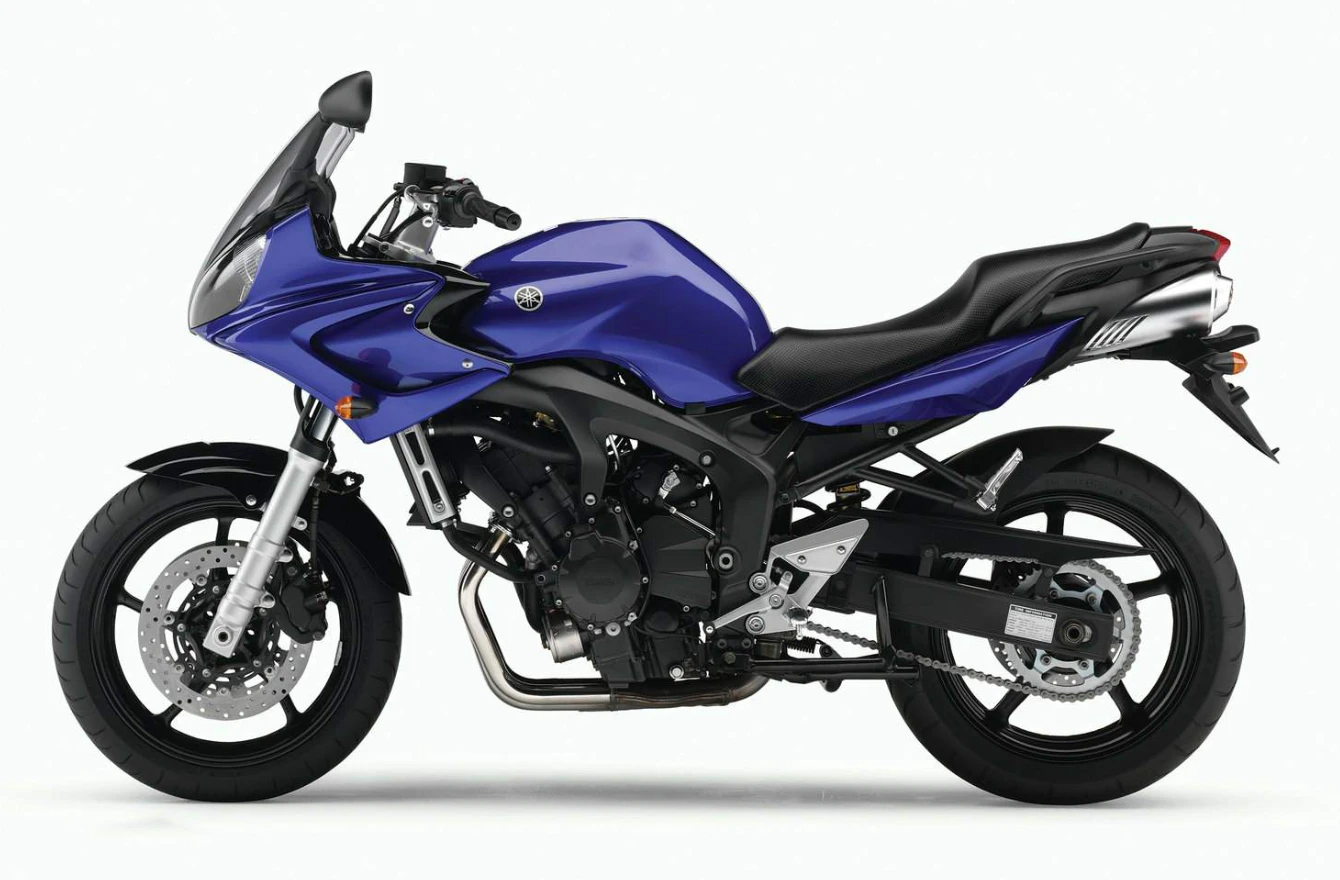
An advertised 2006 FZ6 Fazer at £2,294 demonstrates that the model can fit the budget. The important detail is finding the ABS-equipped version; not every Fazer has it.
The Fazer is a useful compromise between a naked roadster and a full sports tourer. The fairing helps on longer rides, the riding position is reasonably accommodating, and the engine offers enough performance to make a familiar road entertaining.
Its sporting nature does mean that some examples will have had a harder life. Look carefully for crash damage, non-standard modifications, neglected suspension and signs that previous owners believed servicing was something that happened to other people.
The model also illustrates a wider point about older motorcycles. A well-engineered engine doesn’t suddenly become obsolete because the dashboard lacks a colour display. Nor does a conventional throttle become unusable because it isn’t connected to a selection of riding modes.
Why buy one? If you want a little more sporting character without paying sports-bike money, the Fazer is a strong candidate.
Honda NC750S ABS: The Bargain
Target price: around £2,500 | 745cc | Autotrader Search
The NC750S is the most modern-minded machine on this list. Autotrader has advertised a 2014 example at £2,500, with 23,500 miles, and a lot of people will say that is because it is boring … but hear me out.
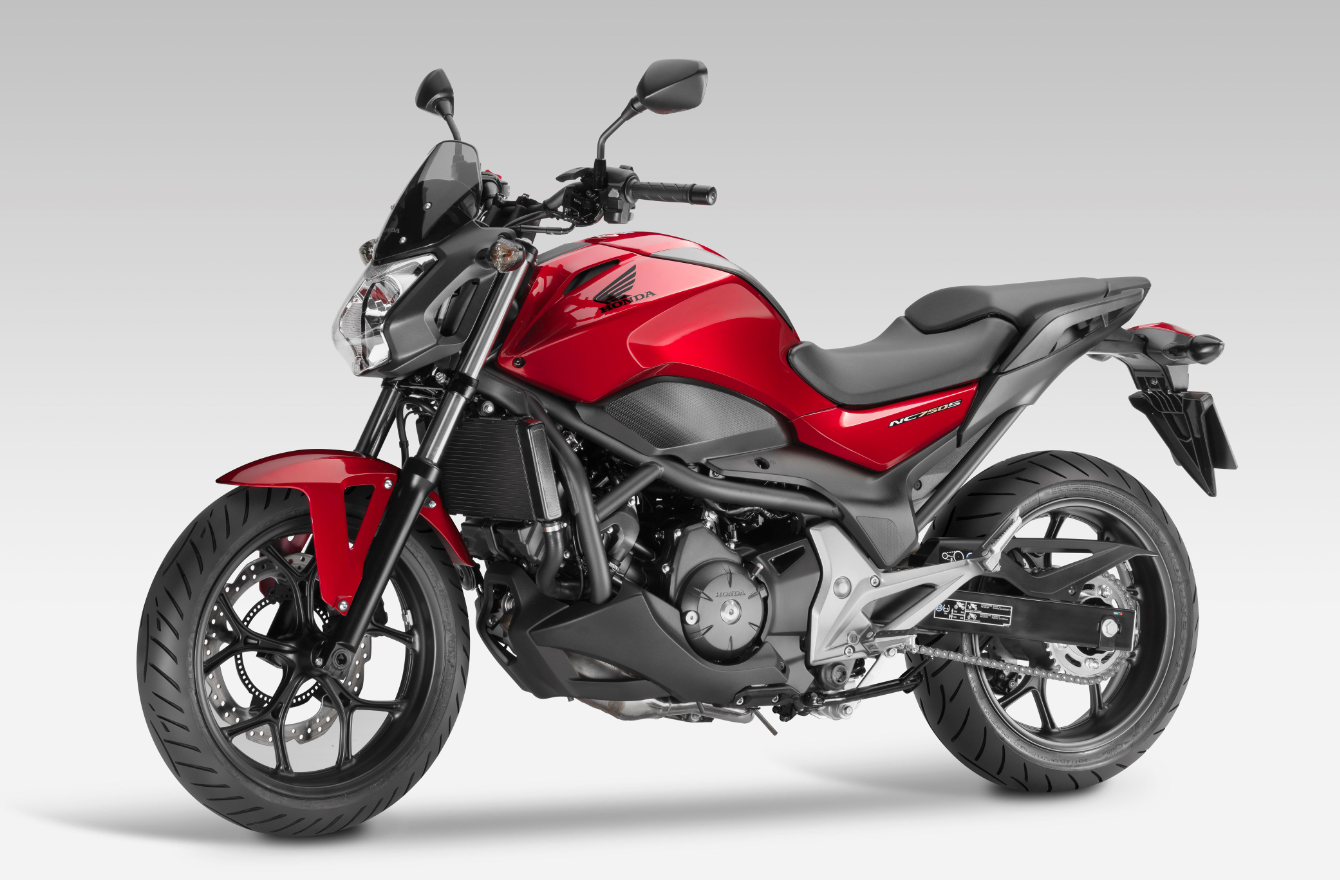
Its parallel-twin engine prioritises usable torque and economy over headline power. That makes it particularly well suited to commuting, everyday riding and longer journeys where relaxed progress matters more than bragging rights.
The NC also benefits from Honda’s practical approach to motorcycle design. It’s built to be used, rather than to look impressive parked outside a café.
Fuel injection is standard, and ABS-equipped examples exist, but check the precise specification of the bike being advertised. At this price, condition and maintenance history remain critical.
The NC isn’t a sports bike, and it won’t reward every attempt to ride it like one. But if you want a dependable, relatively modern machine that can handle daily duties without fuss, it’s worth considering.
Why buy one? It gives you a newer design and everyday practicality for the price of a heavily depreciated premium motorcycle.
What’s Missing?
Let’s be fair. Modern electronics can make motorcycles safer and easier to ride. Traction control is useful on slippery roads, cornering ABS can help in difficult circumstances, and modern rider aids can provide a welcome safety net.
But none of those systems is a substitute for good tyres, sound brakes, competent riding or sensible decisions.
For everyday road use, fuel injection and ABS are an excellent baseline. Traction control is a bonus, not a universal necessity. A dozen riding modes are less important if you only ever use one. And a TFT screen doesn’t make a motorcycle more reliable just because it looks like it belongs in a fighter jet.
The real challenge with a £2,500 motorcycle is buying condition, not buying a badge.
Points To Ponder
Check the MOT history (Government website), verify the mileage, inspect the frame and fasteners for corrosion, examine the tyres and chain, and insist on seeing evidence of proper servicing.
Confirm that the ABS warning light behaves correctly and that the system works. Leave some money aside for the inevitable tyres, fluids or battery that an older bike may need.
Suspension is sometimes a hidden cost. When was the fork oil last changed? What happens when two of you sit on the bike?
And don’t confuse low mileage with good condition. A motorcycle that has spent years outside can be in worse shape than one that has covered twice as many miles with regular maintenance.
Pick One
My choice? The CBF600SA for value, the CBF1000 for touring and the ER-6f for a more compact all-rounder. I’d choose the individual motorcycle with the best history and condition, rather than automatically buying the newest or lowest-mileage example.
The point isn’t to buy the cheapest motorcycle you can find; it’s to buy the best motorcycle for the money.
And if something – other than the engine – does need work, older bikes are much simpler to work on.