



It is wrong that my first thought is, “It is time to call my solicitor.” Yet when the typical attitude we encounter is, “Of course, it is your fault—you are a motorcyclist,” that is the way of the world.
We get carved up in traffic. Someone isn’t paying attention and drifts out of their lane, or worse, sees you and decides to block the gap you are filtering into. There is a coming together, and the first assumption is that you are to blame because you are on a motorcycle.
Not only are we then dealing with the situation, but we are also engaging with people who are only too happy to condemn the motorcyclist without—typically—the slightest idea of what actually happened and haven’t read the highway code in years.
So, what is the best approach when these things happen? Is there a list of things I should do and things I should actively avoid? And if I were testing the tensile strength of a speed limit, would that automatically excuse the poor behaviour of another road user just because I’m on a motorcycle?

Time To Call My Solicitor
I write about motorcycles, which means that when it comes to legal matters, working out who is right or wrong and what to do when unmentionable things happen, you can take advice from me or a cheese sandwich; the value of the advice would be about the same.
Luckily, I know Mark Robinson, a Partner at the law firm HughJames.com, who specialises in Road Traffic Accidents and the unfortunate consequences that sometimes accompany an unscheduled dismount.
So, I did what any self-respecting, bone-idle, lazy journalist would do in this situation—I asked him how I should approach these situations.
All humour aside, Mark was very clear in explaining to me that there is a difference between a general conversation, which is the basis of this article, and legal advice, which will always depend on the exact circumstances of your case. The only way to get proper legal advice is to engage a solicitor, tell them everything, and then let them do their thing.
Is The Motorcyclist Always Wrong?
No. But if you have your knee down going around a roundabout and someone pulls out on you, you are not exactly helping your cause.
The other side will likely argue that you were speeding, perhaps riding without due care and making it impossible for the other party to see you. These are good points, but none absolve the other party of any mistake they made.
Nowhere in the Road Traffic Act or the Highway Code does it state that you must ensure the other person sees you, and if they don’t look properly, it is OK for them to pull out. The rules require them to look and ensure the way ahead is clear before manoeuvring.
But What if I Was Speeding?
You are not helping your case, but who said you were speeding? Is this just an assumption they have made because you are a motorcyclist?
It is the most common claim made by the other party and the so-called witnesses they will have gathered. They will claim you were speeding to excuse their mistakes.
Even if, by some odd twist of fate, they can prove you were speeding or breaking any other traffic law, that still doesn’t excuse their actions if they cause an accident.
Let us say you are overtaking stationary or slow-moving traffic at 35mph in a 30mph zone when someone turns across your path. It doesn’t follow that because you were over the speed limit, everything is automatically your fault.
Did they signal? Did they use their mirrors? The Highway Code requires them to use their mirrors, signal their intentions and then manoeuvre if it is clear to do so. Indicating doesn’t give them (or you) the right to manoeuvre.
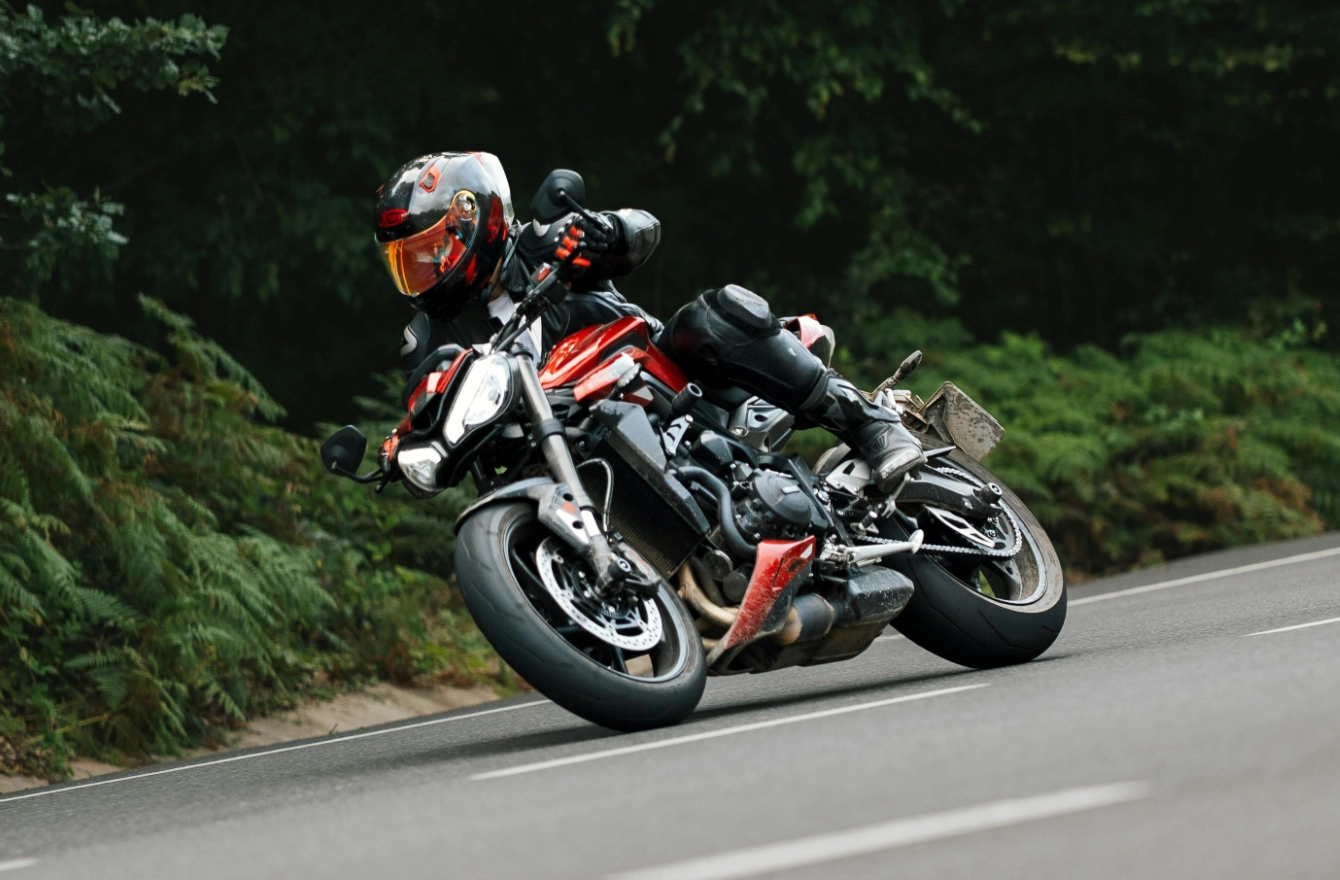
Is your speed a contributing factor, or was there insufficient distance to stop from, say, 20mph? Your speed might be a contributing factor to any injury claim, but it doesn’t automatically mean you are wrong.
If the other carriageway is clear, where else should you be to complete an overtake? The dramatic claim “… on the WRONG side of the road …” doesn’t make much sense when considering the complete situation.
Never assume you are in the wrong just because other people are throwing accusations around like confetti.
What should I do?
Facts are always better than someone’s version of the events, even yours. You will have your recollection of the situation, and the other party will have theirs.
Support from others who witnessed events can help, but it is also subjective. Photographs, though, are a great help.
If you are able to do so, take as many photographs as possible from different vantage points. Although the damage to your motorcycle may be occupying your mind, it isn’t going to change, so there is no point in photographing it repeatedly. Photographs that show the wider scene could be of much greater assistance to your case.
In our imaginary incident, a photograph taken across the bonnet of the (fictitious) car, showing that the driver had a clear and unobstructed view of the road you were on … had they chosen to look … could be of great benefit.
Angles of impact, the exact position of the vehicles on the road, lighting and road conditions are just some of the factors that can assist you. A series of photographs can help remove variations from the subsequent conversations.
Dashcam footage is also a great help, even if you think it shows you to be “at fault.” Remember, it takes two (or more) people to have an accident. Very few situations exist where one party is 100% to blame for everything.
Considered Response
If you suffer an unscheduled dismount, your adrenaline will likely spike, and your temper will have a very short fuse. It is easy to say but perhaps harder to do… “Keep your cool.”
There are cameras everywhere, and video of you ranting at the other party, perhaps saying something you’ll later regret, while cathartic, will most likely be filmed by someone.
While you are in this elevated state, someone might try and bait you into saying something inappropriate. “Don’t traffic rules apply to you?” or “Do you always do 60mph on this road?” are the sort of questions you need to look out for.
Resist giving glib answers. If you can, don’t answer rhetorical questions or respond calmly with something like, “I’m not going to respond to ridiculous accusations. Has anyone called the Police?”
Should I fit a camera on my bike?
Absolutely. Using video evidence to prosecute road traffic offences is still in its infancy. From the point of view of a car driver stuck in a line of traffic, the motorcyclist filtering looks like a lunatic, mainly because you are doing what they can’t … moving.
It is questionable whether your actions can be prosecuted based solely on dashcam footage, and the same applies to any video you have taken.
If the unit hasn’t been calibrated, for example, the speed accuracy of any footage could be questioned. Whether someone jumped a red light or pulled out in front of you, though, would be difficult to refute.
The camera doesn’t need to be 4K, but higher-quality images leave less room for doubt. All you need is a camera that produces a clear image in daylight and, perhaps most importantly, at night under streetlights.
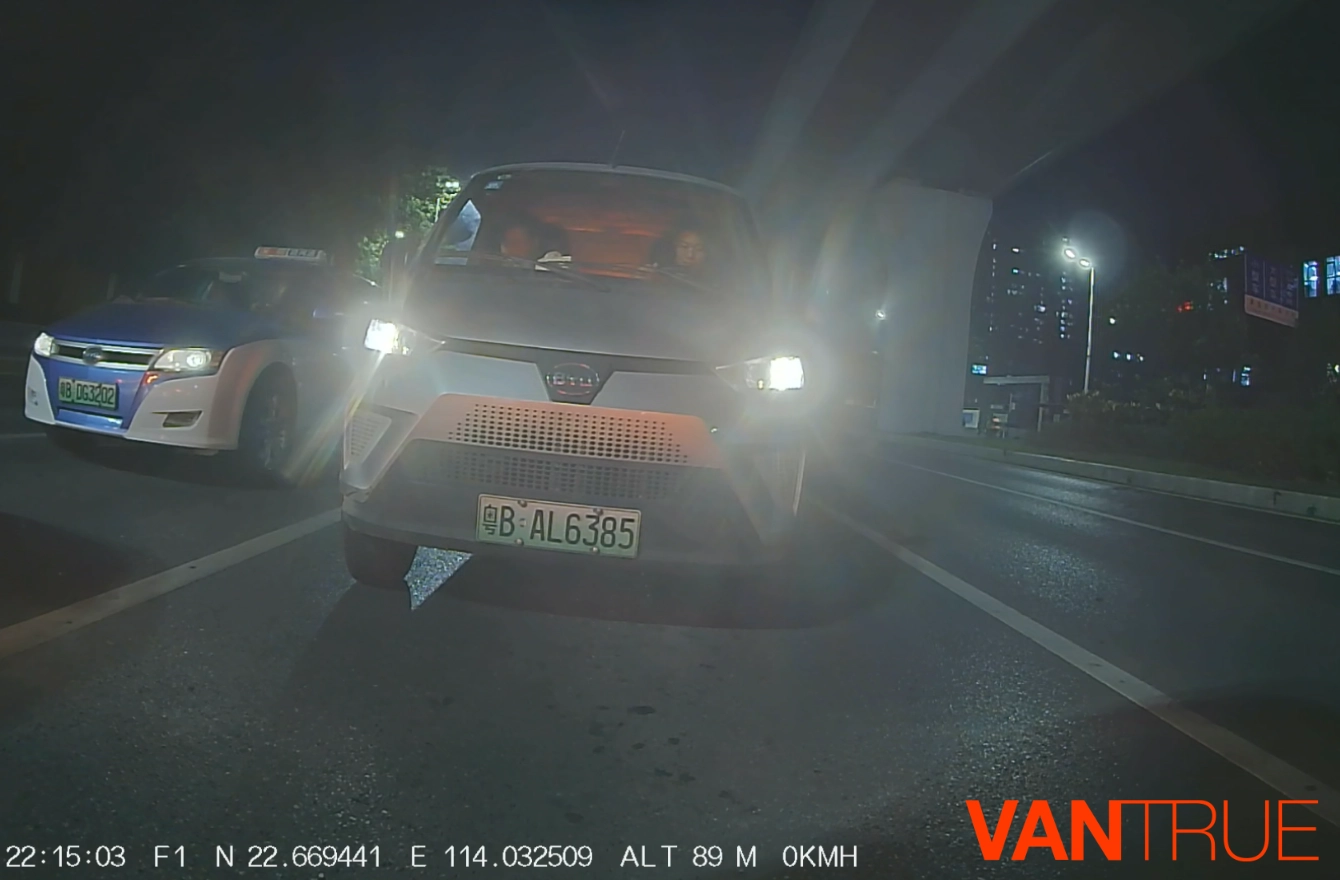
While researching this article, I came across the Vantrue Falcon One motorcycle “dashcam,” which appears to function very well under streetlights and during the day. Hopefully, an in-depth test is coming, but the images do look impressive.
Do I need a Solicitor?
The need will always depend on the circumstances. Yet, if you are asking yourself that question, then the chances are you should, at the very least, take formal legal advice from a solicitor… and here is the crucial part… who specialises in Road Traffic Incidents.
In many cases, the legal protection provided by an insurance policy is generic and is not provided by solicitors who specialise in road traffic incidents, let alone those involving motorcycles.
As with any profession, do your research and choose carefully.
Bottom Line
My thanks to Mark Robinson for his assistance in preparing this article. As I mentioned at the start, I’m not a solicitor, legally trained or in any way the person to listen to when you need legal advice. In those cases, Call Mark!


Mark Robinson is a Partner in the Serious Injury Department in Manchester and specialises in motorcycle accident claims of the utmost severity and complexity.
He understands that motorcyclists remain one of the most vulnerable road users and the effects of an accident are a genuine concern for the motorcyclist and their loved ones.
Mark has assisted clients with life changing injuries including brain and spinal injuries, severe orthopaedic injuries and amputations.











3 responses
We have just got our hands on a Vantrue Falcon One to test. It is a shame we have to do these things, but it does seem worth it. Hope you were OK after the “unscheduled dismount”
The day after fitting my INNOVV K6 I was knocked off my bike. Whilst reporting the incident to my Insurance Company, they asked me to WhatsApp the footage to them. Before I’d finished the phone call they’d agreed to take on the claim as a non blameworthy incident. I didn’t even have to pay up with any excess.
The bike was written off, and I received the money for a replacement in about 4 weeks.
Bargain £250 for the the Dashcam system.👍
Thank you for informative article and yes please for a proper review of this and other similar dashcams for bikes – it’d be good to see how true to life the footage and user experience is.