



If you are in the market for a no-fuss, no dramas motorcycle, then Honda’s NT1100 should be high on your list. It is a motorcycle that oozes the ability to get the job done. While the other bikes would still be preparing for the journey, the NT1100 would be off and running.
Honda market the NT1100 as a sports tourer. We are not sure we would agree with that classification. There is a lot to talk about, so here goes …
Better Than A …
This was the problem we started with. What is there to compare the NT1100 to?
Yamaha’s Tracer 9GT would be a competitor based on price. Both list at roughly £12,500. Yet the Yamaha, which is a capable tourer, is much more a sports bike than the Honda NT1100. You don’t buy the NT1100 if sporty riding is your primary objective.
There is nothing to stop you from ragging an NT1100. A capable rider on the Honda will be quick, but they would be quicker on the Yamaha.
So, let’s compare it to an Adventure bike. But adventure bikes are designed to go off-road, even if they never do. Adventure bikes come with 19 or 21-inch front wheels, spokes and longer travel suspension. If you want an adventure bike, buy an adventure bike.

Perhaps a BMW R1250RT, then. Both twins, with an upright riding position, heated grips, TFT display, panniers and a centre stand as standard. But the minimum £4,000 price difference and 30+ BHP get in the way of that comparison.
You could – perhaps – compare the NT1100 to a Kawasaki Versys, but again the Versys is £2,000 more, four-cylinder, and 20Kg heavier. Not exactly two bikes competing with each other, but the closest competitor we could come up with.
The Honda NT1100 Problem
The NT1100 fits in between so many of the classic motorcycle definitions that asking the judgemental and often pointless question of whether the NT1100 is better than a “Insert your bike of choice here” is almost impossible as there will be a noticeable difference separating the two bikes.
What is it, then?
Having decided that the NT1100 isn’t a sports tourer, a finely honed tourer, a cruiser, an adventure bike, a sports bike or a naked bike, we decided a new category was required to describe it. The best we came up with was “Multifunctional Motorcycles”. A class for the fully functional, all-weather, economical, comfortable, quick when you want it to be, get the job done and go home motorcycle.
In that class, the NT1100 is an absolute rock star. And yes, we do need to work on the name for this class of motorcycles.
Rain and More Rain
Riding in the rain and when it is cold are two absolutes for a Multifunctional Motorcycle. To be multifunctional they can’t be show ponies that only come out three days after it last rained, providing the temperature is in the double digits centigrade. Multifunctional motorcycles are for everyday use, regardless of the weather.
While we had the Honda to test, the weather sucked. We had two dry days in 16, and the rest of the time, it was, at best damp, but mostly it rained.
As promised [see What Happened to the NT1100], we gave Dave the keys and pointed him north on the A1. Two hundred motorway miles later, he was back and not as wet as we thought he would be.
The fairing and bodywork on the NT1100 are a feature that is easily overlooked. Looking at the NT1100 in a showroom or online, who would notice the flare on the edge of a body panel and wonder why Honda did that?
Most of us – and you can include us– would look at the NT1100 and decide whether we thought it was aesthetically pleasing before considering the purpose of the design. Having ridden the NT1100 across Lincolnshire in the rain and been splattered with mud from the fields, look at how clean the engine casing is compared to the surrounding area.
 The deflectors, fitted forward of where your foot is, work exceptionally well. The same goes for the wings under the screen. They deflect rain and cold air away from your hands. This also helps the heated grips to work well. Ultimately owners will most likely fit aftermarket handguards, but perhaps that is just the comfort of the familiar.
The screen in the middle position is comfortable to sit behind at motorway speeds. A notch or two higher would have been better, but the middle position worked best overall as we looked over the screen rather than through it.
DCT or Manual
Either is the answer. It depends on personal preference. The DCT gearbox in Carle’s 1000cc Africa Twin was delightful. The next-generation version fitted in the NT1100 is even more refined. Honda may be the only manufacturer banging this drum, but they are damn good at it.
As usual, “Drive” changes up too quickly, labours the engine, and prevented us from exploring the rest of the motorcycle. Touring mode settings for engine braking, power and traction control, and Sport 2 or Sport 3 for the throttle and gearbox mapping, were our preferred options.
My choice would be the traditional gearbox with the quick shifter, but most of that is due to my stubbornness. On the other hand, Carle would ride the DCT all day and never think about a manual gearbox. He’s right. DCT is that good.
If you have never ridden DCT before, ensure your test ride is a couple of hours long and get a briefing from someone who knows about DCT. If you spend an hour pootling about in Drive, you could easily think the bike is dull and the engine flat. It isn’t. You need to know how to find the fun settings, which takes a little time.
Brakes
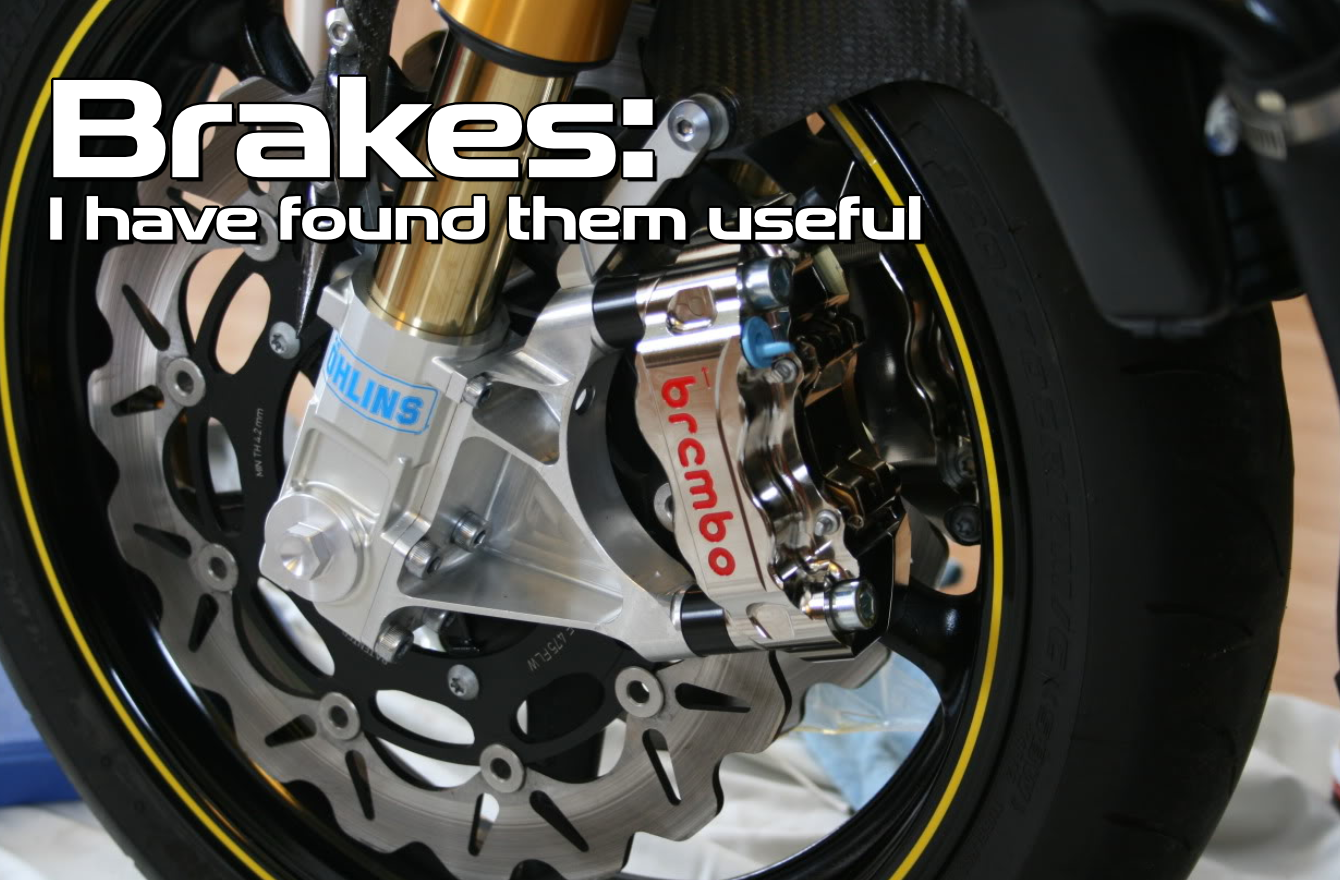
The theme of things simply working without any fuss or bother with the NT1100 even extends to the brakes. The twin 310mm discs on the front are no surprise. They work well, have decent enough feel and when called upon, will bring the 320kg of rider and bike to a stop with all reasonable haste.
It is the 256mm disc on the rear that stands out. It is that unicorn of a rear brake. One that works and has excellent feel.
It’s the complete opposite of the rear brake on my Multistrada, which is a half-hearted afterthought that makes an insignificant contribution to the overall desire to slow down. The rear brake on the Honda is a work of art.
Combine DCT with the rear brake, and filtering through traffic becomes a delight. No nibbling at the clutch, just constant smooth drive varied by light pressure on the rear brake. And if … what do I mean if … when someone manoeuvres without looking, there is more than enough left in the rear brake to bring you sharply to a stop.
Suspension
The front suspension patters at the slightest provocation for the first few miles from cold. Once warmed up, this disappeared, and the standard pre-load setting on the front worked well for us.
I found the standard pre-load setting on the rear just the wrong side of hard. Then again, this could be due to the greasy autumnal roads and OE tyres. Two clicks down made the back end feel more compliant.
Taking the NT1100 to our favourite knackered backroads for some real-world suspension testing, showed that the Showa suspension is capable rather than outstanding.
Upgrade the tyres and spend an afternoon working out how best to set the suspension to suit your riding style, and a comfortable, predictable ride can be found. This isn’t the bike for you if you want something that will soak up the bumps and chewed-up road surfaces on back roads. You would be better off with a road-biased adventure bike (KTM 1×90 – V-Strom – Africa Twin).
Alternatively, if you are looking for something better than single-leg damped Triumphs, that will deal adequately with those backroads, then look here.









2 responses
Hi Rob, Thanks for the information. Is there no other fuel gauge available (I can’t remember). Only the one on the large LCD panel?
Bought an NT1100 6 months ago. I like it well enough, plenty of pull and equipment. Great torque and sound, a veritable Swiss Army knife used for touring, commuting and fun in all weathers. The connection to the LCD screen needs a flipping Masters in electronics but once you’ve finally worked it out then all’s good. Except:
A line developed on the LCD screen 5 months in, then another and now the blinking thing doesn’t work at all. Took it back to the dealer who took a few weeks to get Honda UK to agree it needed replacing under warranty and now……………you guessed it………….I’m still waiting a month later for the parts to arrive. So riding it with no super tech, just the basics. No fuel gauge, sat nav, riding modes dead etc.
Apparently they have 4 with the same problem and no solution, which for me personally renders the bike unfit for purpose. If it fails so early in its life I’d expect some serious action from the dealer/Honda. But no, just waiting.
Have decided to sell it before the warranty runs out and find something more reliable.