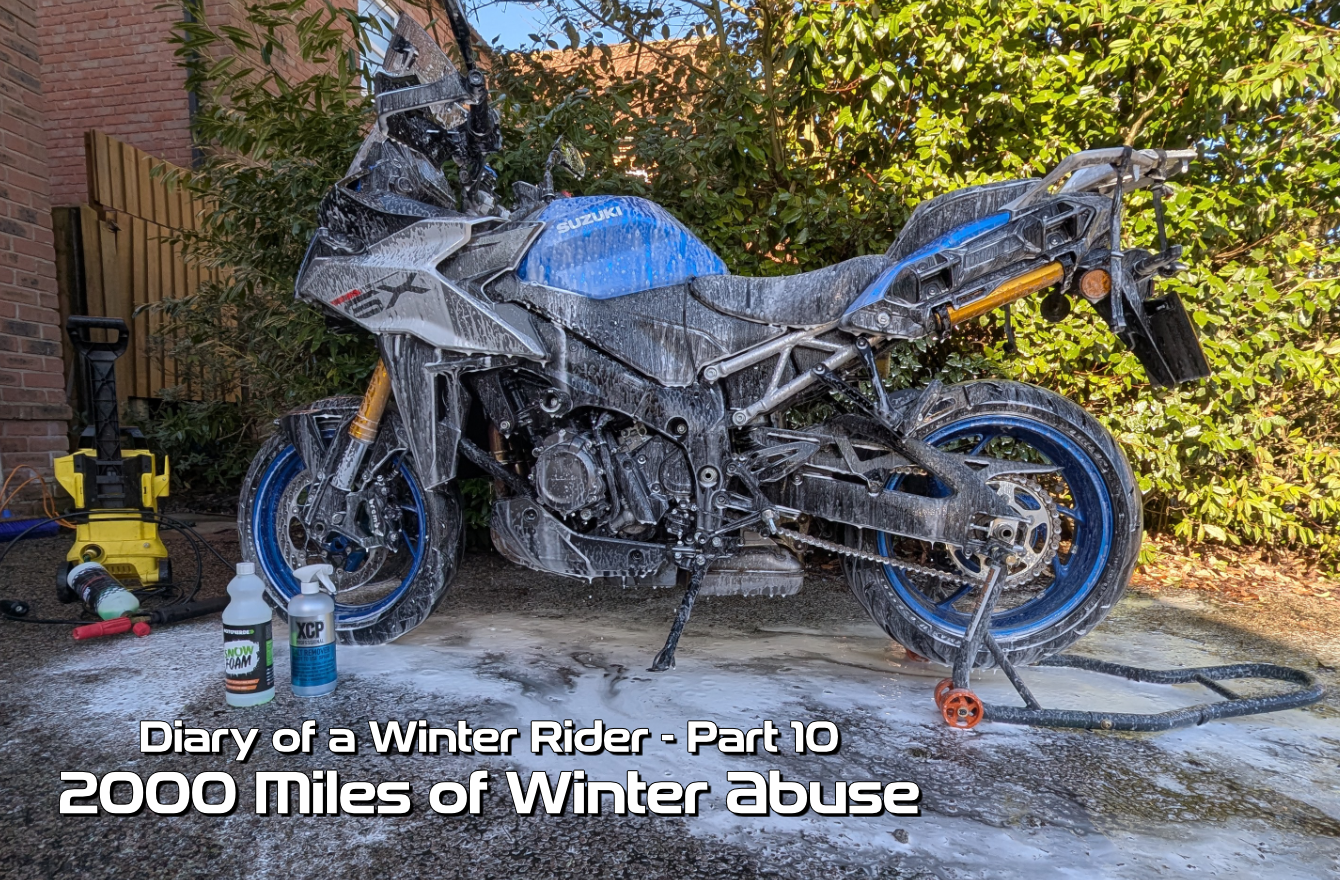

If you ride through winter, you already know the score: salted roads, lots of rain, low temperatures, corrosion, and the constant fear that spring will reveal a bike that suddenly looks ten years older.
That’s exactly why, back at the start of November, we gave the Suzuki GSX‑S1000GX a full winter protection treatment. Now, after just shy of 2,0000 miles and ten weeks of proper UK winter abuse, it’s time to uncover the results.
Preparation
The goal was simple: protect the bike from winter abuse before winter had a chance to attack, starting with a thorough deep clean because winter protection only works properly when applied to a spotless surface.
There are 100 different ways to clean a bike, but as this is about how well the Suzuki GSX-S1000GX stood up to winter, here is the process I went with:
- Degrease with XCP Degreaser – XCP Degreaser, I love the stuff. The first bottle I bought at SportsBikeShop was on a whim. It was cheap, and I thought I’d try it. It did a great job cleaning up my Multistrada when I did an overhaul; it works well in the poor man’s “ultrasonic cleaner” and cuts through road crap nicely.
- A Double Wash with MotoVerde – Washing the bike twice in MotoVerde snow foam isn’t just about enjoying the snow foam experience; it ensures that any hidden dirt gets cleaned away. And if a second wash isn’t needed, I’ll go with the fun part.
- XCP Salt Remover – Winter riding’s biggest enemy is salt. Before the winter grime begins, it’s important to ensure I’m not about to seal any salt near the paintwork.
- Some aggressive cleaners use more salt than they put on the roads. Desalting after washing can be beneficial.
- Drying with a Bruhl Dryer – A crucial step. Towels miss the little places that moisture loves to hide. The Bruhl dryer blasted water out of switchgear, fasteners, radiator fins, under the tank edges — everywhere corrosion likes to begin.
- ACF‑50 Protective Coating – Having made all reasonable efforts to ensure I’m not about to seal in anything corrosive or any moisture, a thin, even coat of ACF‑50 was applied. (AKA – Purple Rain ~ Roger).
2000 Miles of Winter Abuse
Winter riding in the UK isn’t glamorous. It’s wet, chilly, and if the gritters have been out, the salt lies in the gutters for weeks. Across (almost) 2000 miles, the GSX‑S1000GX dealt with everything: freezing early mornings, rain, rain, oh yes, it also rained, fog, and those delightful post‑gritter commutes where you can practically taste the sodium chloride.
I did wonder whether the level of winter abuse would cause the paint to flake or the bolt heads to corrode, but each time I looked at the GX, it just seemed to be getting filthy.
Revealing the Truth
Ten weeks of utter filth and winter abuse later, I could stand it no more. Time to discover how well the finish on the Suzuki had held up, with a little help, against the ravages of winter. That and my dislike of dirty motorcycles was screaming at me.
Starting with the normal winter wash routine: XCP Degreaser, MotoVerde Snow Foam, XCP Salt Remover and an intense blow from the Bruhl dryer (get your mind out of the gutter).
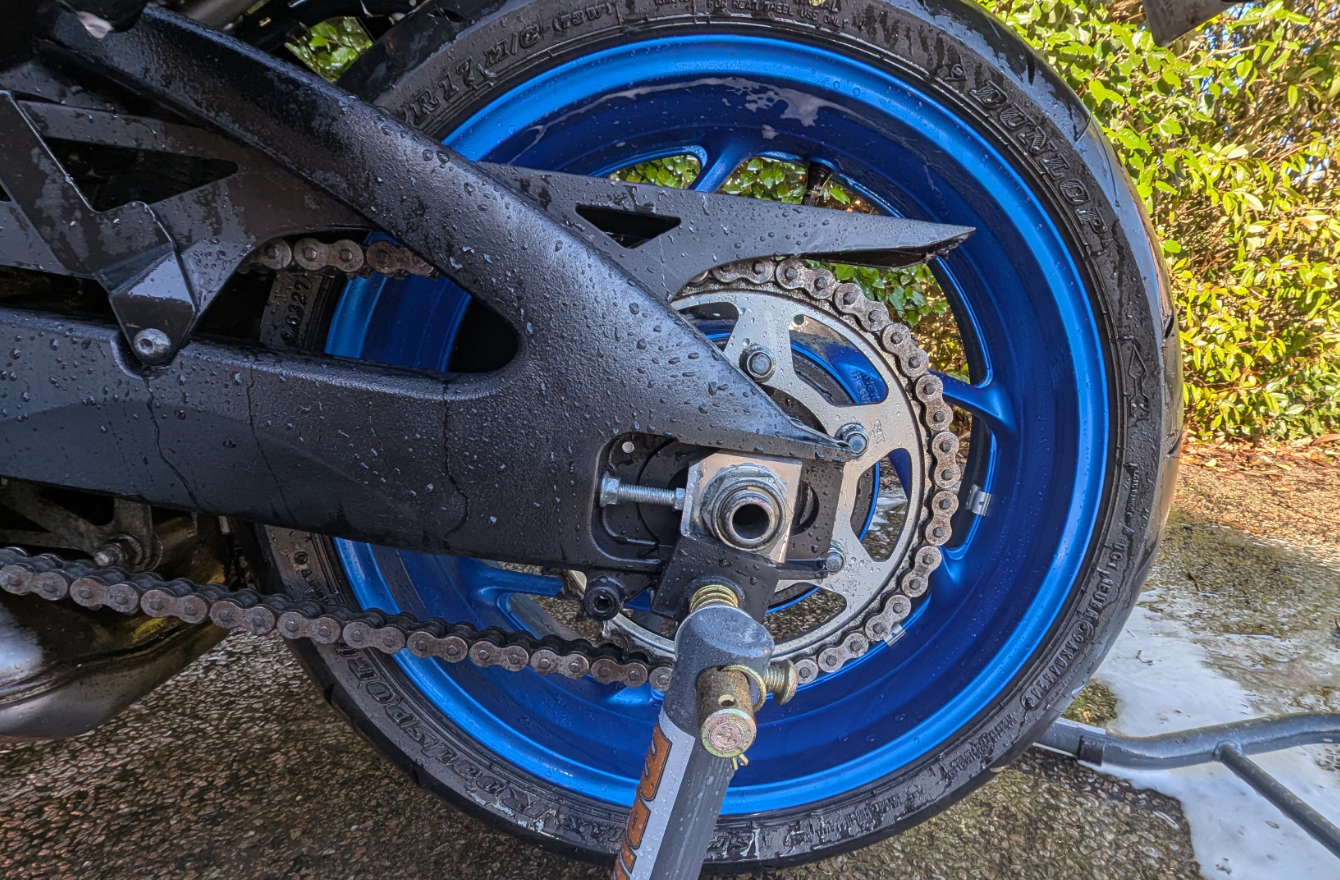
As the layers of winter abuse ran off the fairings and wheels, the GX began to reveal itself, and the results were impressive. Most of the GX looked close to factory fresh.
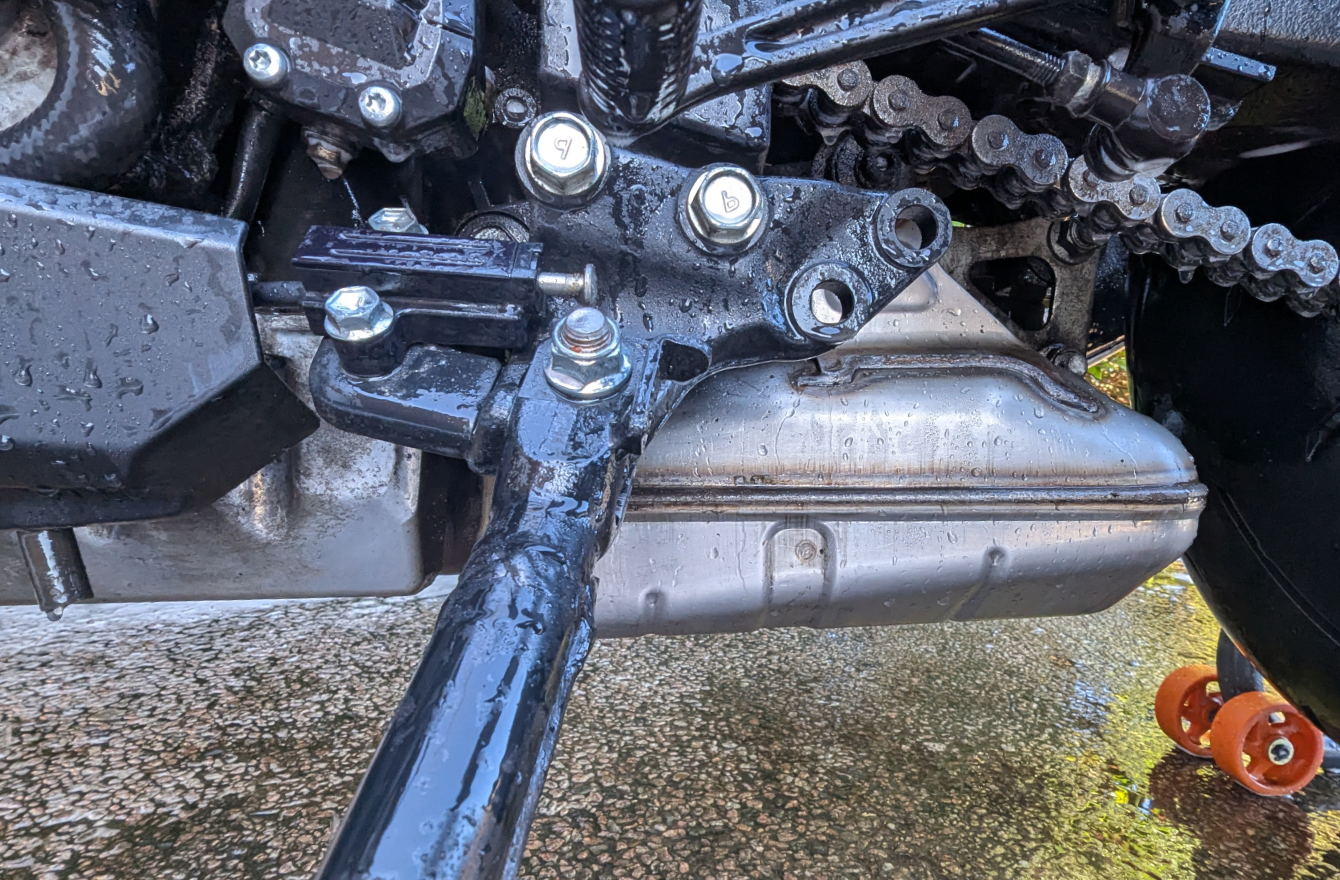
Panels, swingarm, wheels, fasteners, and even the catalytic converter are all still clean and corrosion‑free.
I’m sure the ACF‑50 helped, but you still need a well-finished motorcycle to begin with. ACF isn’t going to protect cheap bolts and bad paint.
Downpipes
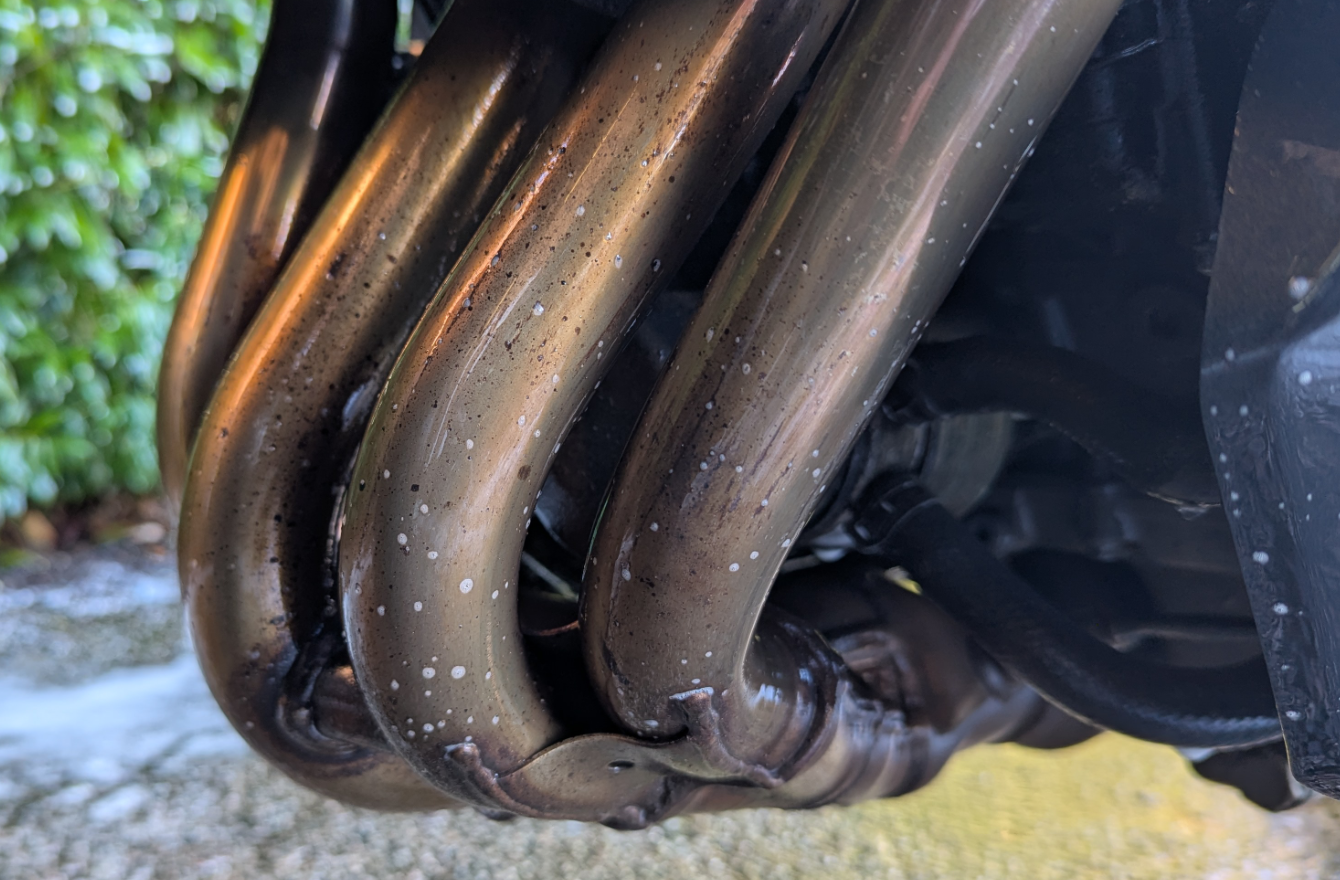
The only visible sign of winter abuse is on the downpipes, which have endured a constant stream of crap thrown at them by the front wheel.
It isn’t dramatic and not unexpected. A front mudguard extension (Extenda Fenda) from Pyramid Moto would have helped. But now the downpipes are grubby, so it’s lots of metal polish and a rag to get them looking shiny again.
Everything else? It looked like the bike had barely seen rain.
Bottom Line
Motorcycle manufacturers today face strict global and UK/EU chemical regulations that dramatically limit the solvents, pigments, corrosion-resistant treatments and plating chemicals that were once freely used in the 1980s.
Hence, the suggestion that “they don’t finish them like they used to” is actually true. Manufacturers can’t finish motorcycles as they once did because some of the chemicals are now banned.
Which, incidentally, is why the retro-styled Kawasaki Z900RS isn’t the same green as the original Z900 A4.
Winter preparation is now more important than it ever was, but if you have a well-finished motorcycle to begin with – given the current regulations – then winter doesn’t have to be feared.
Preparation gets you a long way, but because manufacturers’ coating choices are limited, not every bike handles winter well.
The Suzuki GSX‑S1000GX came through looking almost new. The finish held up, the metalwork stayed clean, and the only minor casualty was the downpipes — an honest badge of winter mileage.