



Low-Cost ECE 22.06
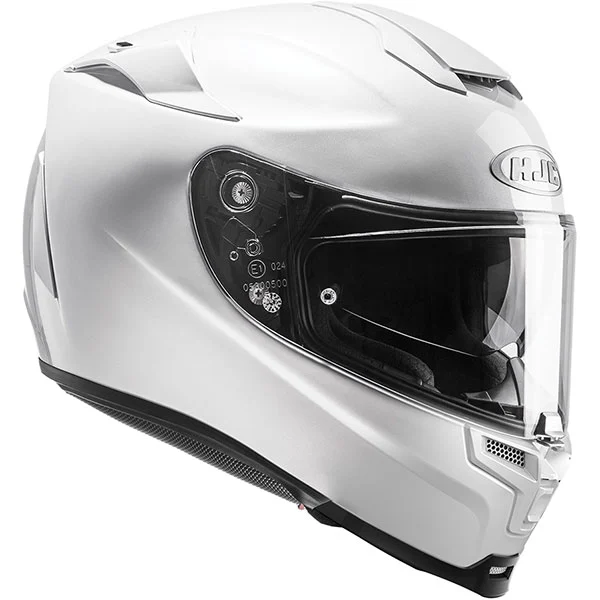
At the other end of the price scale, the HJC C10 helmet – fully ECE 22.06 approved – retails for £90.
The wild-arse claims being thrown about, suggesting that ECE 22.06 would drive up helmet costs, have proven unfounded.
Quality, construction materials, design time, aerodynamic and in-house impact testing – all the usual suspects – define a helmet’s cost. Conformance to any standard will be part of the design and construction process, but it won’t be the only cost factor.
Tough Question
And so, we arrive at the ECE 22.06 crossroads. From January 2024 (currently), all helmets sold by manufacturers to European distributors and retailers must comply with ECE 22.06.
Every manufacturer has refreshed their line-up with a selection of ECE 22.06 helmets, and the retailers are discounting the existing ECE 22.05 lids they have in stock.
Question: Would you rather put your head in an ECE 22.05 Schuberth C4, Arai Tour X4, Shoei Neotec 2 or an HJC R-PHA 11 – to highlight just four – or wear an ECE 22.06 approved polycarbonate helmet that retails for less than £90?
The polycarbonate helmet has passed the ECE 22.06 tests, and therefore, it must be safer than ECE 22.05 … Right?
There are roughly fifty pages of ECE 22.05 helmets on SportsBikeShop’s website to choose from, from £100 and going all the way to over £2,000 for a Bell Carbon race helmet.
Is this a great time to get a premium-quality helmet at a heavily discounted price, or is ECE 22.06 the only way to go?
ECE 22.05
Your current ECE 22.05 helmet will still be road legal on the 1st of January, 2024. The rules only apply to the supply of ECE 22.05 helmets stopping by that date.
But having reasoned that passion and desire drive helmet technology more than new standards, is there any advantage in ECE 22.06 over a high-quality ECE 22.05 helmet?
My neighbour thinks not and has opted to send his three-year-old, £700 when new helmet to the Helmet Inspection Company for assessment. Assuming it comes back with a clean bill of health, he is sticking with what he has.
Perhaps the natural advancements in helmet technology made manufacturers decide against the recertification of existing helmets under the new regulations. New models were already planned, so diluting the market by recertifying an existing model wasn’t commercially advantageous.
Not having been part of those meetings, I’ll never know. However, it would be interesting to take a premium ECE 22.05 helmet and see if it passes the ECE 22.06 test. But I had best get back to reality as that will never happen.
And Me?
I’ll be wearing my ECE 22.05 Schuberth C4 for a few months yet. My head has been comfortable and felt protected for the last 40,000 miles, and a date on the calendar won’t change that.
My next helmet will likely be ECE 22.06, but only because I don’t want to buy something that may have sat in a warehouse for a few years, waiting for me to buy it. I’ve been there and been caught like that once before.
Buying an ECE 22.06 helmet today (April ’23) means it will most likely have been manufactured within the last 12 months.
Then again, if I can get the last of the Schuberth C4 helmets to have been manufactured … well, now, there’s a thought.










One Response
“My head has been comfortable and felt protected for the last 40,000 miles”
Felt protected aye? What does that even mean? This is nothing but survivorship bias.
Without any other measure of safety we must assume that 22.06 is necessarily safer than 22.05, and any claims to the contrary must be backed up with evidence (given that the difference between 05 and 06 is freely available).
It would indeed be interesting to take a premium ECE 22.05 helmet and see if it passes the ECE 22.06 test, and it would also be naive to think that helmets have not been designed with passing certification tests in mind. Given that the differences between 05 and 06 present a far more stringent test, then even if manufacturers design purely to pass 06, they will by definition be safer than something designed purely to pass 05.